

Traditional Chinese Medicine (TCM) is more than a healing system—it’s a way of seeing life. It’s a philosophy that invites us to live in harmony with our bodies, minds, and the natural rhythms of the world. At Yuen Origin, we weave these ancient principles into modern wellness, showing how TCM can help us cultivate radiant skin, strong hair, balanced energy, and emotional clarity.
In TCM, health isn’t just measured by numbers—it’s reflected in visible signs: the glow of your skin, the shine of your hair, your vitality, and your emotional state. Central to this wisdom are Qi (气), Blood (血), Yin (阴), and Yang (阳), deeply connected to the I Ching (Book of Changes, 《易经》). Just as the I Ching maps human life onto the universe’s shifting cycles, TCM maps these cycles inside the body, showing how organs, energy, and emotions interact like a living ecosystem.
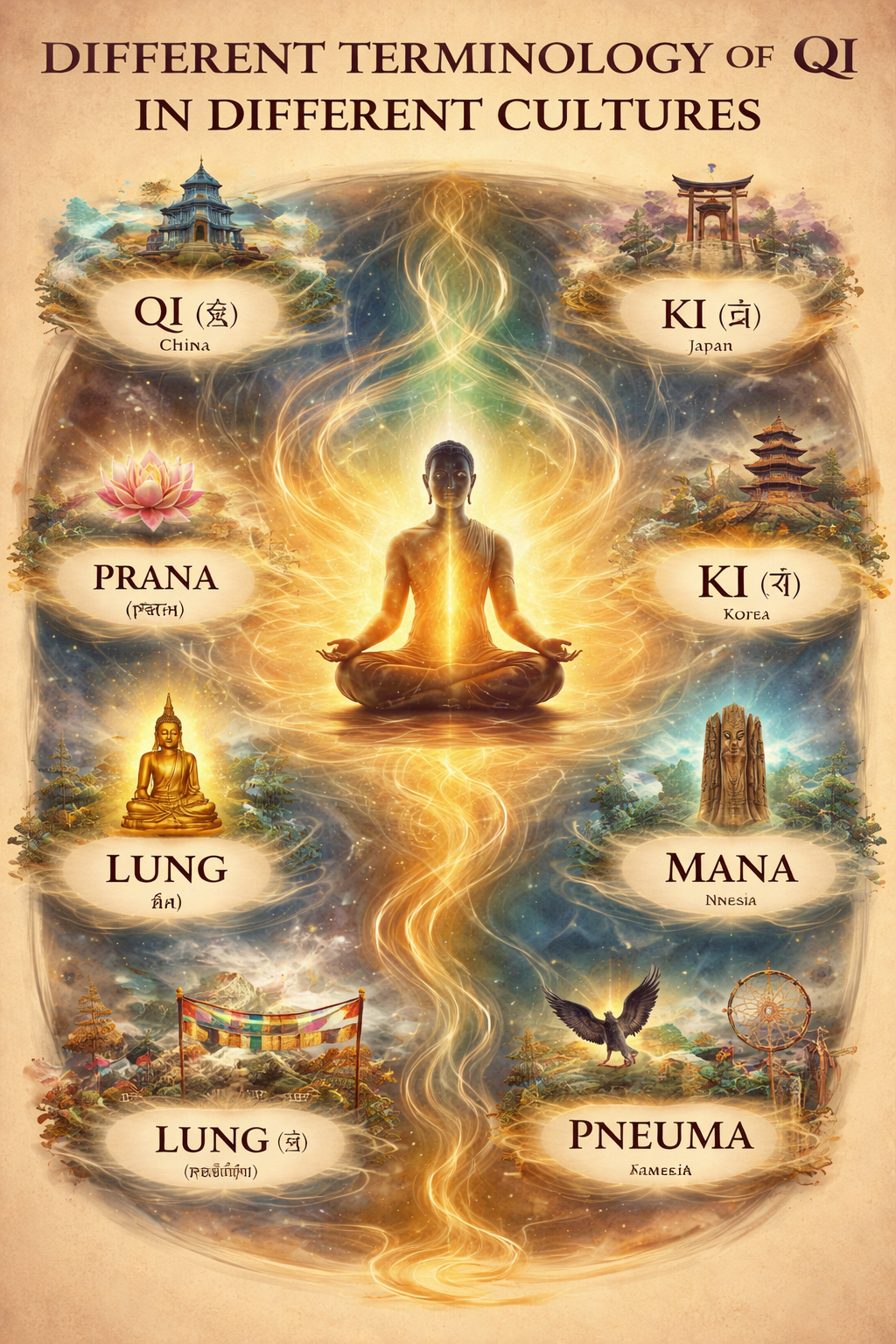
Qi is often called the body’s life force, the invisible energy that powers organs, tissues, and cells. When Qi flows freely, we feel vibrant and alive; when it stagnates, fatigue, hair thinning, or dull skin appear. Across cultures, this concept is familiar: Prana in Yoga, Lung in Tibetan Buddhism, Mana in Polynesian tradition, Pneuma in Ancient Greece.
Blood and Essence form the body’s foundation. Blood nourishes tissues; Essence stores life energy, supporting growth, reproduction, and resilience. When they are depleted, hair thins, skin loses radiance, and energy wanes. Low Qi and Blood don’t always mean poor nutrition—they may signal weak absorption or insufficient replenishment from rest. In this way, TCM teaches us to nurture the inner landscape, not just the outward appearance.
To better understand the relationship between Qi, Blood, Essence and our health, let's imagine a sailboat traveling on the river.
.png)
The boat represents the vessel that carries nutrients to organs, tissues, and cells. Blood is like the river—rich, substantial, and responsible for carrying the boat throughout the body. Qi, then, is like the wind, propelling the sailboat moving forward.
If for some reason, the river is blocked or the wind dies down, the boat stalls—the former is called Blood stasis (血淤), and latter, Qi stagnation (气滞) and Blood stasis (血淤). Herbs like Chai Hu (柴胡) and Xiang Fu (香附) move Qi, while Dan Shen (丹参), Hong Hua (红花), and Tao Ren (桃仁) invigorate Blood, helping the boat sail smoothly again.
If the boat cannot deliver sufficient nutrients to all vital organs, tissues and cells, the body begins to draw on its stored Essence—the reserve of life energy—gradually depleting it and leading to declining health.
We’ll cover in detail in a separate article how to recognize signs of Qi stagnation and Blood stasis, along with simple natural remedies to help relieve the symptoms.
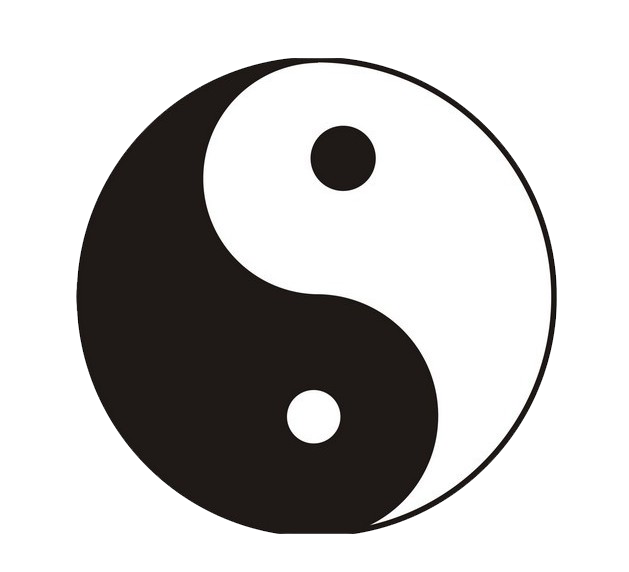
At the heart of TCM is the interplay of Yin and Yang—the dance of opposites that governs all life. Yin is cool, restorative, and inward-moving; Yang is warm, energizing, and outward-moving. Health depends on their balance. Excess Yang leads to inflammation and restlessness, while excess Yin can cause fatigue and sluggish metabolism.
Qi is considered Yang, Blood is Yin, and both are guided by the same principle. Nature alsoshows this beautifully: the sun’s Yang energy drives our activity, while the moon’s Yin invites rest. Sleep is the body’s alignment with this cycle; going to bed before 11 PM (before Yin reaches its peak around midnight) allows the body to fully rest, restoring energy and nourishing the organs. From this point onward, Yang begins to emerge within Yin, gradually building toward dawn and reaching its peak around noon.
The Five Elements (五行) (Wood, Fire, Earth, Metal, Water) show how energy, organs, and emotions interconnect. Each element corresponds to organs and natural tendencies, reflecting the universe within us. Each element is in dynamic relationship with another, constantly generating and overcoming one another, as seen in the image below. Understanding how these elements and our organs interact helps diagnose root causes rather than treating surface symptoms.
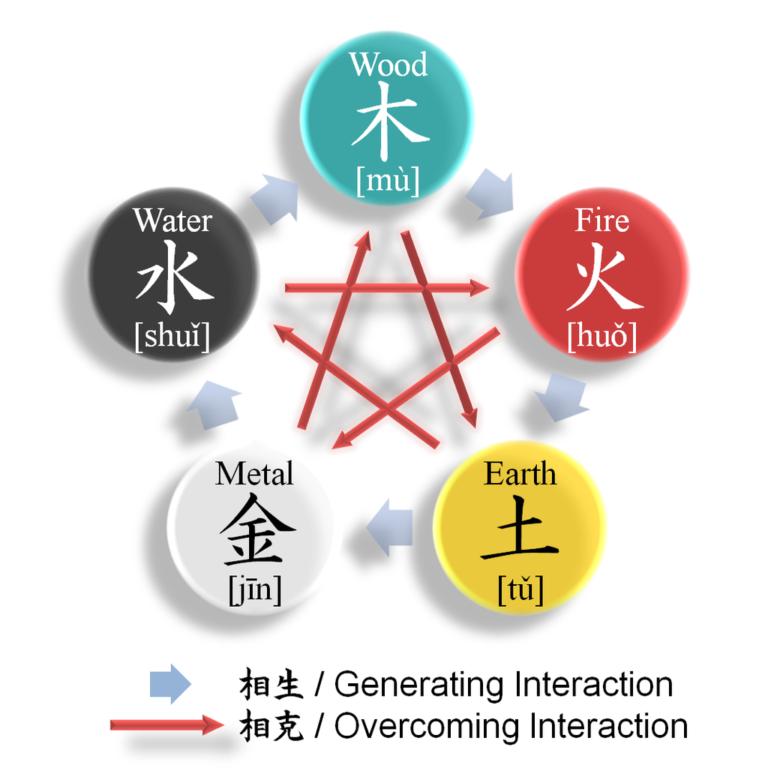
How exactly did TCM decide which element each organ corresponds to? In TCM, these connections are analogical: the natural tendencies of elements—expansion, contraction, warmth, coolness, movement, storage—mirror the physiological and emotional characteristics of their corresponding organs.

The liver stores roughly 10–15% of the body’s blood at rest, ready to be mobilized whenever the body demands it. In nature, this is like a reservoir quietly holding water. What thrives around a large, abundant body of water? Trees. This is why the Wood element corresponds to the liver—the liver, like a tree, is meant to grow freely, extending its branches outward. But when constrained by emotions, stress, or anxiety, those branches curl inward, stifling natural growth. If this restriction persists, the pent-up Wood energy can ignite, transforming into an inner Fire that disturbs the body and mind.
The heart governs the circulation of blood and houses the Shen (神), or spirit, keeping the body vibrant and alive. In nature, it is like the sun, radiating warmth and light that reaches every corner of the earth. Just as sunlight spreads freely, the heart’s energy is meant to flow outward, illuminating the body and mind. Fire corresponds to the heart because, like the sun, it naturally moves upward and outward, providing life, clarity, and vitality, yet it must remain balanced to avoid burning out of control.
The relationship between the liver and the heart explains what a generative interaction is. In nature, Wood breeds Fire, thus the liver generates the heart. This means that when the liver holds pent-up Wood energy and it ignites, it can overfuel the heart’s Fire, leading to excess Fire that disturbs the Shen, or spirit, and ultimately disrupts sleep quality.
The spleen governs digestion, extracting nutrients from food and distributing energy throughout the body. In nature, it is like fertile, nourishing soil—steady, grounding, and abundant. Just as rich earth supports the growth of plants and sustains life, the spleen provides stability and nourishment for muscles, limbs, and the body as a whole.
The relationship between the liver and the spleen illustrates an overcoming interaction. In nature, Wood consumes Earth. If too many trees crowd the soil, they deplete the very Earth that nourishes them. In the same way, when stress or anxiety harms the Wood energy by constraining the liver’s natural expansion, it will overwhelms the Earth energy in the spleen, weakening digestion and often leading to a loss of appetite.
The lungs govern breathing and the movement of Qi, bringing clarity and order to the body. In nature, they are like mountains and the crisp autumn air: contracting, condensing, and refining. Just as metal is mined from the earth and shaped into structure, the lungs refine and organize energy, separating what is pure from what is waste.

The kidneys govern the storage of Essence and the regulation of water throughout the body, providing the foundation for growth, vitality, and resilience. In nature, they are like deep, still waters—quiet, powerful, and sustaining. Just as a hidden reservoir nourishes all life and feeds rivers over time, the kidneys store and conserve the body’s essential energy, supporting every organ and system.
Because each element is in dynamic relationship with another, if one element remains out of balance for an extended period, it can disrupt the harmony of the others, gradually undermining overall health.
Let's go back to example of pent-up Wood energy in the liver.
Once the imbalanced Wood energy overcomes the Earth energy in the spleen, and an imbalanced Earth energy will then overcome the Water energy in the kidneys, resulting in overcame Fire energy in the heart. Consequentially, this will hurt the Metal energy in the lungs.
The lungs act like a metal canopy, cooling the rising heated steam generated by Fire in the heart; as this steam condenses, fluids are gathered and directed downward, helping to nourish the lower parts of the body including the Water energy in the kidneys (i.e., Metal generates Water). Excess Fire can burn through the metal canopy, overwhelming the lungs and impairing their function.
Imbalanced Metal energy in the lungs will further disrupt the Wood energy in the liver (as Metal cuts Wood), triggering a vicious cycle of imbalance throughout the Five Elements again.
We will discuss in m about the Five Elements within our body and their relationship to each other in a separate article.
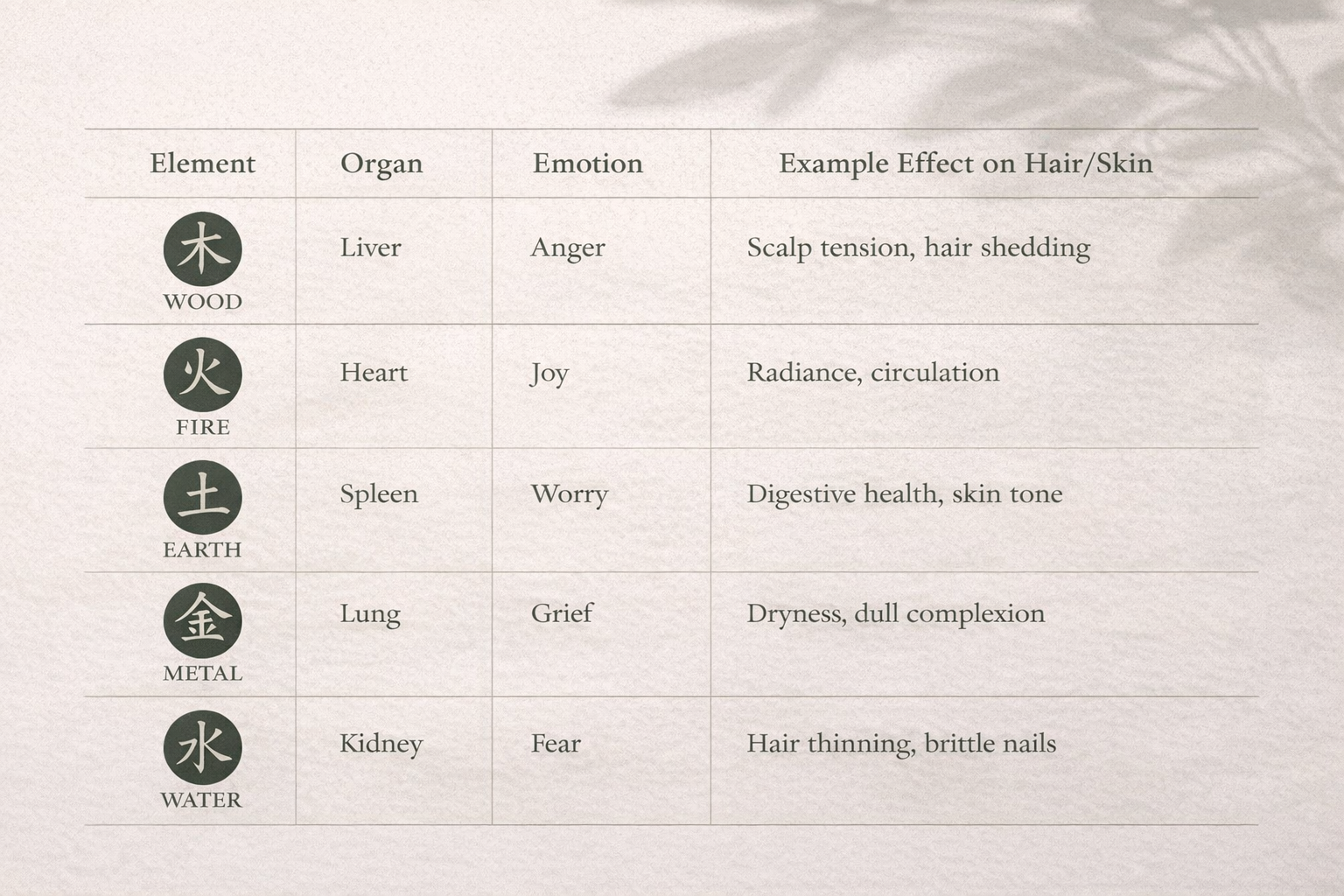
In Traditional Chinese Medicine, each organ is understood not just anatomically, but as a center of energy and function that governs both physical and emotional well-being. Additionally, there is a concept called "Five Yin Organs, Six Yang Organs" (五脏六腑). Yin Organs are liver, heart, spleen, lungs and kidneys which are solid, whereas Yang Organs are hollow – namely, gallbladder, stomach, small intestine, large intestine, bladder and San Jiao (三焦) (triple burner / triple heater).
Liver – Ensures the smooth flow of Qi throughout the body, detoxifies, and nourishes the tendons and hair. When the liver is balanced, energy moves freely, emotions are regulated, and hair appears vibrant and healthy.
Heart – Circulates blood and houses the Shen, the spirit, influencing vitality, complexion, and emotional clarity. A harmonious heart promotes a radiant face, a calm mind, and joyful presence.
Spleen – Transforms and transports nutrients from food, supporting muscles and maintaining skin texture. A strong spleen creates a well-nourished body, firm flesh, and a clear, supple complexion.
Lung – Governs respiration, distributes Qi, and maintains skin hydration and energy balance. When the lungs function smoothly, the skin is radiant, breathing is effortless, and the body’s defenses are strong.
Kidney – Stores essence, governs growth, reproduction, and hair health, and provides the foundational energy for all life processes. Balanced kidney energy supports vitality, bone strength, and a lustrous, resilient hair.
TCM emphasizes living in harmony with the seasons. Unlike the four seasons that we are used to, TCM actually has five seasons. The additional season is named Long Summer (长夏).

~Feb 4 – May 4
The liver governs the smooth flow of Qi and supports detoxification. Spring is a time of growth, movement, and renewal. Stretching, gentle exercise, and outdoor activity help unblock stagnation. Incorporate green, fresh foods like leafy vegetables and sprouts to nourish the liver.
Lifestyle Tips:
Emotional Care: Manage anger or frustration with meditation or breathing exercises, since liver energy can get stuck if emotions are suppressed.

~May 5 – July 19
The heart rules circulation and houses the Shen (spirit). Summer is Yang energy at its peak: warm, expansive, active. Engage in aerobic activity to boost circulation, and enjoy sun exposure moderately to support mood and vitamin D. Eat cooling, hydrating foods like melons, cucumber, and berries.
Lifestyle Tips:
Emotional Care: Cultivate joy and openness, but avoid overexcitement, which can deplete heart energy.
~July 20 – August 6
This season typically occurs during the last month of summer (or the transitions between each season). As summer fades, Long Summer—the late, lingering warmth—arrives, marked by damp, heavy energy. This season corresponds to the Earth element and the spleen, the organ responsible for digestion, nutrient absorption, and grounding energy.
Lifestyle Tips:
Emotional Care: Gently releasing overthinking and worry through mindfulness, journaling, or quiet reflection to keep digestion and energy balanced.

~Aug 7 – Nov 6
The lungs govern respiration, Qi distribution, and skin hydration. Fall is contracting, cooling, and preparing for winter. Engage in moderate cardio, brisk walking, or qigong to strengthen lung Qi. Eat seasonal root vegetables, pears, and white foods (like daikon or lotus root) to support lungs.
Lifestyle Tips:
Emotional Care: Practice letting go of grief or lingering sadness; journaling or breathing exercises can help release stagnant emotions.

~Nov 7 – Feb 3
The kidneys store essence, regulate water, and govern growth, reproduction, and longevity. Winter is Yin’s peak, a time to rest, store energy, and nourish foundational strength. Prioritize sleep and restorative practices like meditation, tai chi, or gentle stretching. Eat warming, nourishing foods such as soups, stews, black beans, and walnuts.
Lifestyle Tips:
Emotional Care: Cultivate calmness and a sense of safety; avoid fear or chronic anxiety, which can weaken kidney energy.

Practices of TCM go beyond herbs and treatments—they guide how to live in harmony with your body, mind, and nature.
We can incorporate the following simple practices for better health and mood:
Sleep aligned with body rhythms: Resting with the sun balances Yin and Yang, restores energy, and nourishes the organs.
Diet that nourishes Qi, Blood, and Essence: Seasonal, whole foods support digestion, energy flow, and vitality.
Gentle movement: Tai Chi and Qigong circulate Qi, harmonizing body and mind. Zhan Zhuang (standing meditation 站桩) cultivates internal energy, while Ba Duan Jin (Eight Brocades 八段锦) stretches, strengthens, and energizes the organs. Zhuang Shu (撞树) involves lightly tapping or leaning against a tree to stimulate the spine, activate Qi, and strengthen the back.
Seasonal therapies: Take advantage of moxibustion from the solar energy (天灸) by exposing our back to the sun, leveraging the summer sun’s Yang energy to stimulate acupoints, strengthen immunity, boost vitality, and maintain organ balance naturally. Traditionally performed during the hottest days of summer (which differs every year) but avoid back tanning between 11am to 4pm when Yang is at its peak to avoid hurting Yin within our body, it harnesses the sun’s energy to restore and fortify the body.
Stress management through ritual and mindfulness: Meditation, breathing exercises, or daily rituals release emotional blockages and harmonize Yin and Yang.
By weaving these practices into daily life, you cultivate resilient health, emotional balance, radiant energy, and harmony with the seasons, living the TCM philosophy fully. We will cover these practices in more detail in a separate article.
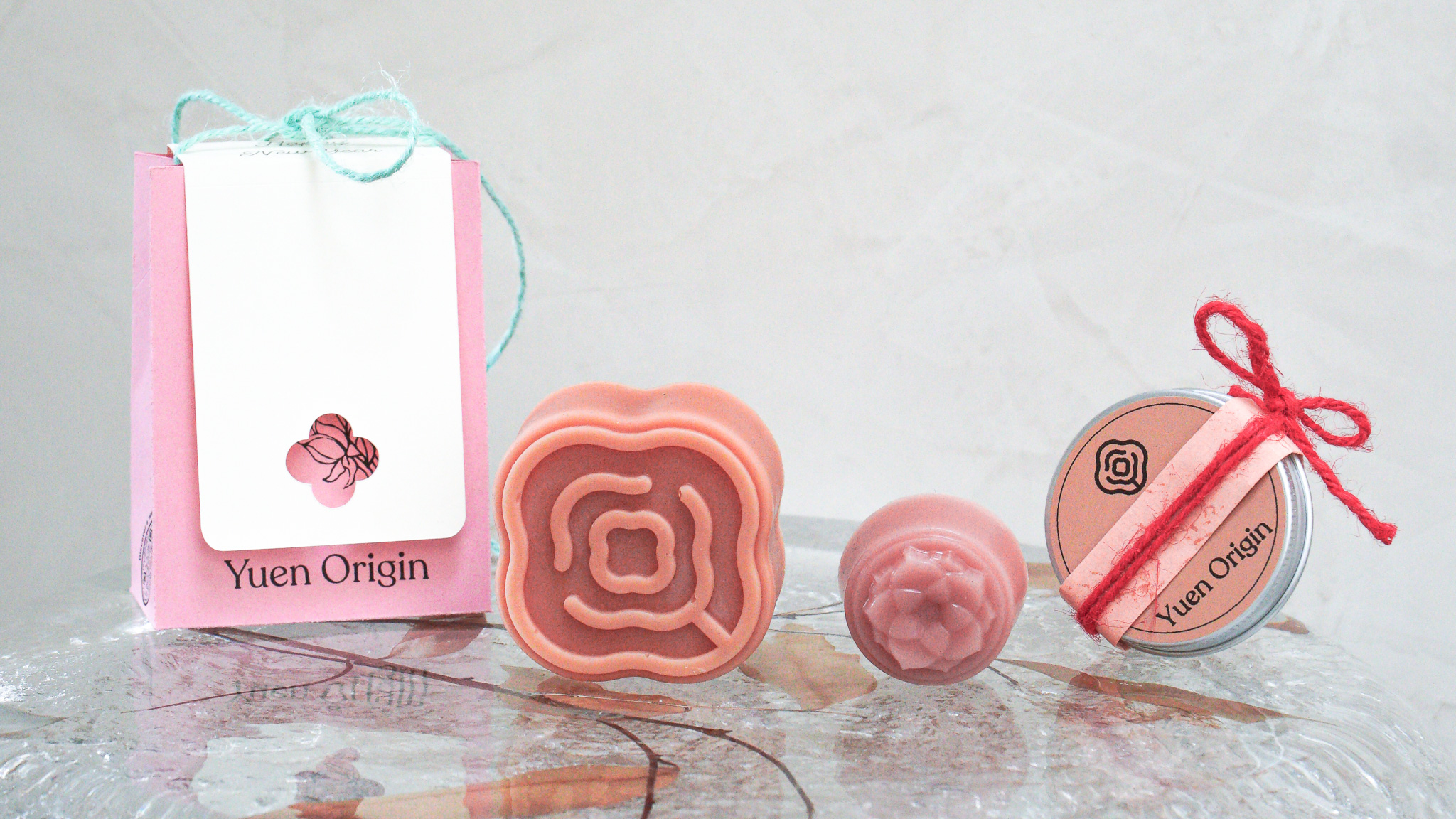
Ultimately, TCM is a lifestyle: sleep aligned with Yin and Yang, foods that nourish Qi, Blood, and Essence, gentle movement like Tai Chi or Qi Gong, and mindful stress management. By understanding the dynamic relationships among organs, Five Elements, Qi, Blood, Yin, and Yang, you can create rituals that nurture your body, mind, and spirit—helping you move through life with vitality, balance, and resilience.
At The Yuen Way, we bring ancient wisdom into your modern life, showing you how to live in harmony with your body, mind, and the rhythms of nature. Through seven transformative areas—TCM foundations, daily rituals, the apothecary of herbs, restoring imbalances, seasonal living, cultivating your inner state, and the Yuen Circle community—you’ll learn how philosophy meets practice.
All of this is grounded in Yuen Origin, where time-tested Chinese herbal care and hands-on rituals bring the Yuen Way philosophy to life. By embracing these practices, you support your health, vitality, and balance, creating a lifestyle that feels intentional, aligned, and deeply nourishing.
Subscribe now for exclusive insights, seasonal tips, and rituals designed to help you live the Yuen Way fully.