


Every generation believes it has discovered the next breakthrough in beauty.
A new ingredient.
A new technology.
A new routine.
Yet many of the ingredients that shaped beauty traditions for centuries have quietly disappeared from everyday life.
Not because they stopped working.
But because they were replaced by industrial manufacturing, changing lifestyles, and modern perceptions of what beauty should look like.
This is where our new series begins.
Forgotten Chinese Beauty Ingredients explores the ingredients that once formed the foundation of Chinese beauty rituals. Some were documented by physicians in classical medical texts. Others were passed down through families for generations before gradually fading from memory.
Our goal isn't to romanticize the past.
Nor is it to suggest that modern skincare has it wrong.
Modern science has transformed our understanding of the skin in remarkable ways.
But history also has something to teach us.
Each article in this series explores one forgotten ingredient through three lenses:
Because sometimes the future of skincare isn't about discovering something entirely new.
Sometimes it's about remembering what worked, understanding why it worked, and thoughtfully bringing it into the present.
Today, we're starting with one of the most misunderstood ingredients of all.
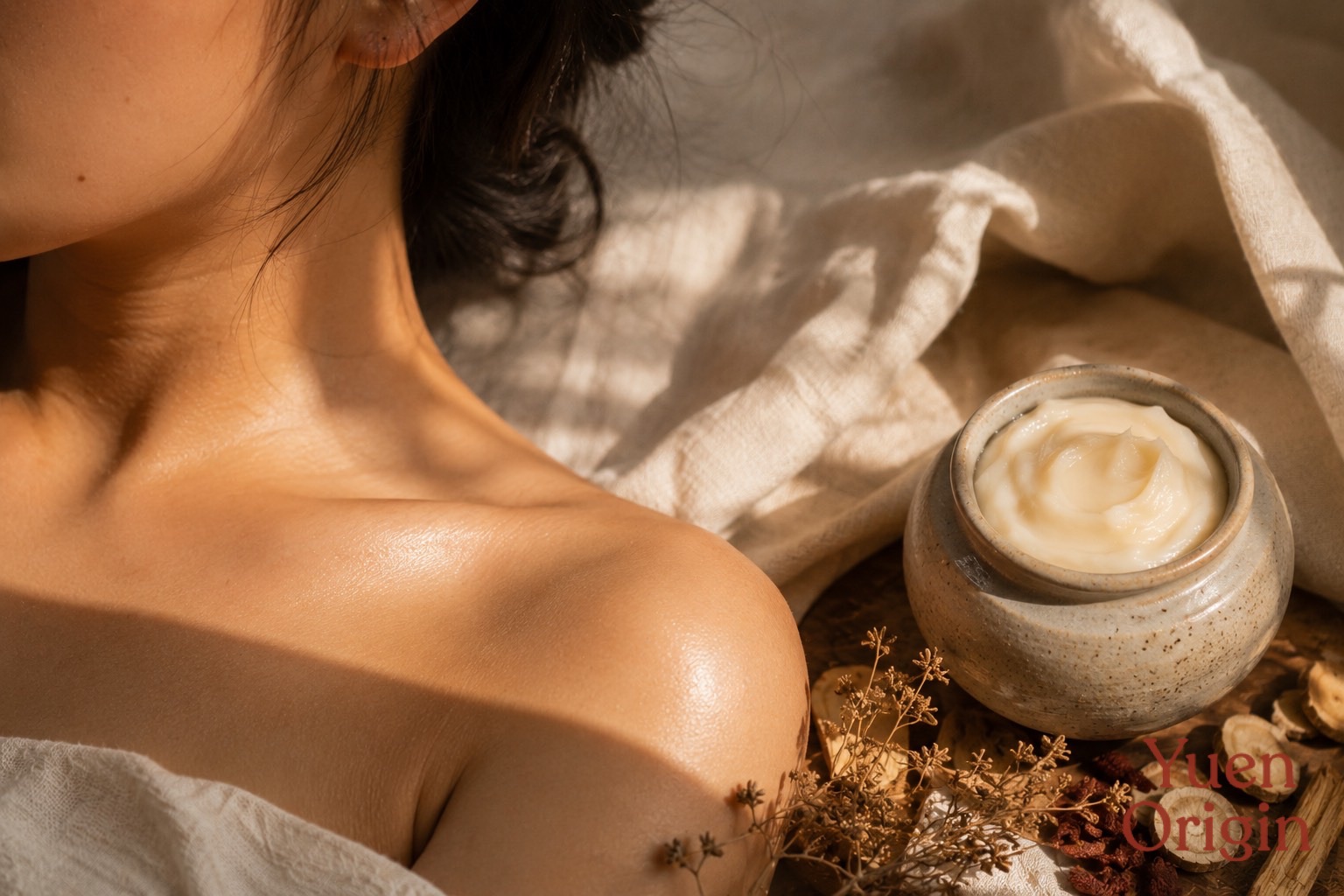
Most people would never imagine putting pork lard on their face.
Today it sounds old fashioned. Heavy. Maybe even unhealthy.
Yet for centuries in China, rendered pork fat wasn't just something you cooked with.
It was something you cared for your skin with.
Long before moisturizers came in elegant glass jars promising ceramides, peptides, and barrier repair, Chinese households already understood something modern skincare is only beginning to appreciate.
Healthy skin begins with nourishment.
Traditional Chinese skincare was never about collecting dozens of products.
It focused on balance.
Ingredients were chosen because they nourished, protected, and supported the body's natural ability to restore itself.
Animal fats, particularly rendered pork fat, were among those ingredients.
In the Compendium of Materia Medica (Bencao Gangmu), compiled during the Ming Dynasty over 400 years ago, the famed physician and herbalist Li Shizhen documented pork fat's medicinal uses, including its ability to moisturize and help relieve dry, cracked skin.
Rendered pork fat was also commonly infused with medicinal herbs to create balms and ointments that protected the skin from cold weather, harsh winds, and environmental dryness.
This wasn't luxury skincare.
It was practical everyday care.
The answer has less to do with effectiveness than most people assume.
As skincare became industrialized, manufacturers prioritized ingredients that were inexpensive, easy to standardize, and stable for long shelf lives.
Petroleum-derived emollients, refined plant oils, and synthetic ingredients fit that need.
Animal fats gradually disappeared from formulations.
At the same time, consumer perceptions shifted.
Plant oils became associated with "clean beauty."
Animal-derived ingredients began to feel outdated.
New became synonymous with better.
History suggests the story is more complicated.
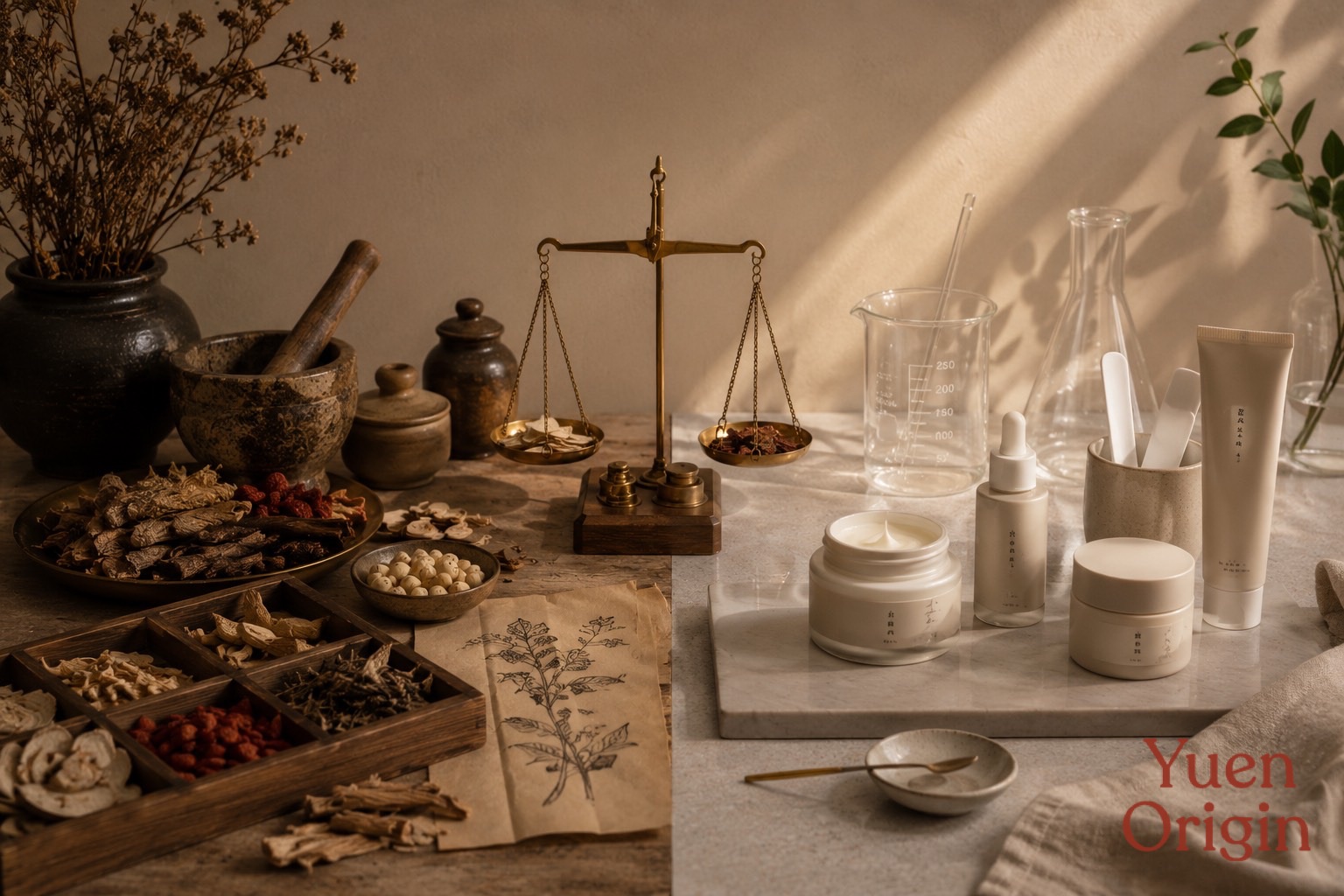
Modern dermatology tells us that healthy skin depends on a strong lipid barrier.
When that barrier is damaged, skin loses moisture, becomes irritated more easily, and struggles to repair itself.
Today's moisturizers often focus on replenishing those missing lipids.
Interestingly, pork fat naturally contains fatty acids that closely resemble some of the lipids found in human skin.
That doesn't mean anyone should reach for cooking lard and apply it directly to their face.
Kitchen lard is not cosmetic grade, properly purified, or formulated for skincare.
What it does suggest is that generations of Chinese herbalists were making careful observations long before scientists had the tools to explain why those observations worked.
Sometimes traditional wisdom comes first.
Science simply catches up.
At Yuen Origin, we didn't include pork lard in our Nourishing Face Cream simply because it was traditional.
We included it because we asked a different question.
Why did generations of Chinese physicians continue returning to this ingredient?
The answer wasn't nostalgia.
It was function.
We took inspiration from centuries of Chinese herbal knowledge and combined it with modern formulation standards to create a cream that respects both history and science.
Not an ancient remedy.
Not a trendy innovation.
A thoughtful balance of both.
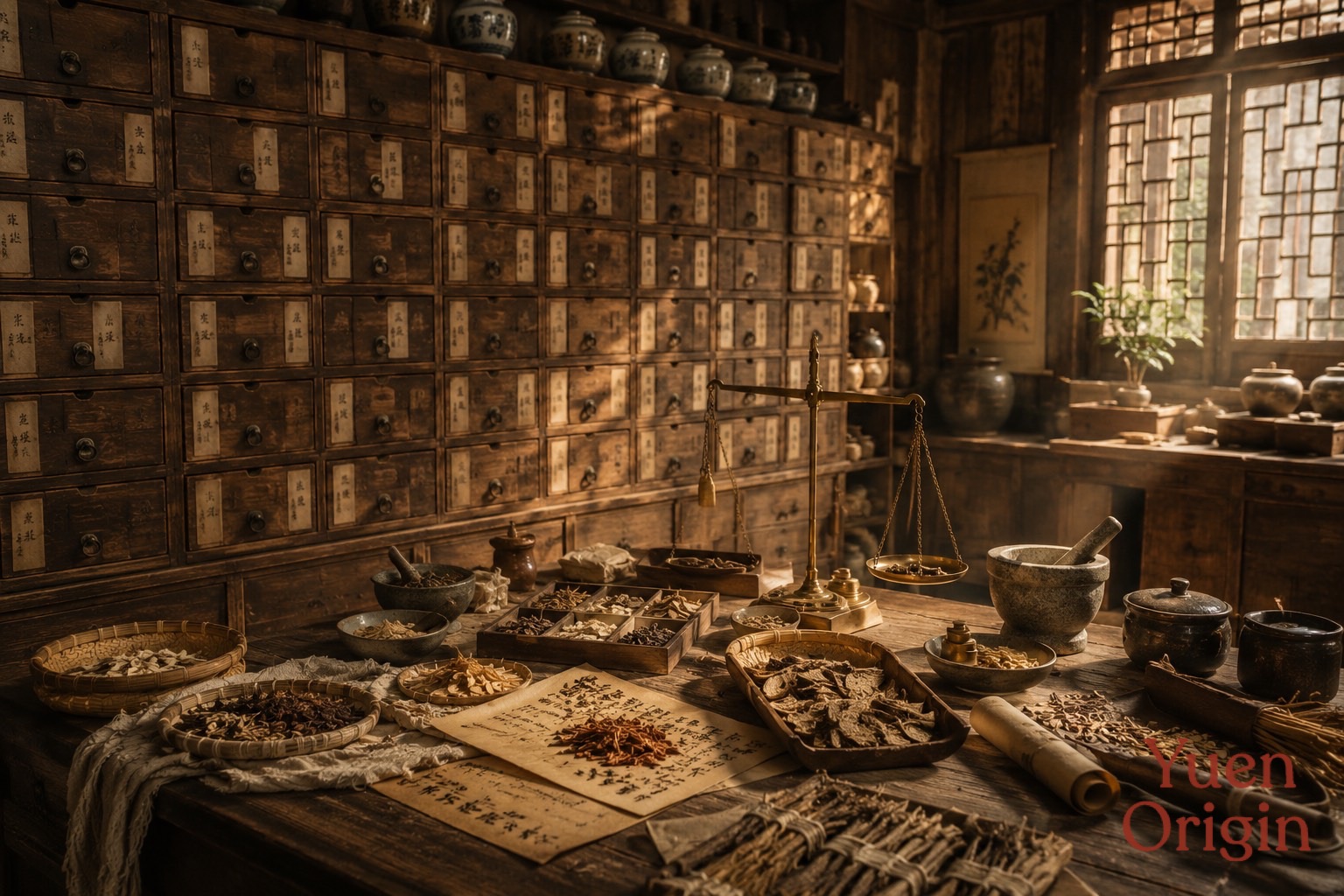
This article isn't really about pork lard. It's about curiosity.
Over the coming months, we'll explore more forgotten Chinese beauty ingredients.
Pearl powder.
Rice water.
Mugwort.
Camellia seed oil.
Fermented herbal preparations.
And many others that quietly shaped Chinese beauty traditions long before modern skincare existed.
Some may surprise you.
Some may challenge what you've always believed about skincare.
Others may already be quietly making a comeback.
Our hope isn't that you'll abandon modern skincare.
It's that you'll discover there's more than one way to understand beauty.
The most meaningful innovations often begin by looking backward before moving forward.
Perhaps the future of skincare isn't about choosing between ancient wisdom and modern science.
Perhaps it's about allowing each to make the other better.